
How Families Can Stay Connected at Every Stage
Dementia changes many aspects of daily life, but one of the most emotional changes families experience is how communication evolves over time.
Many caregivers say, “I just want to know how to talk to my loved one now.”
The truth is that communication does not disappear with dementia — it simply changes. Understanding what to expect during each stage can help families reduce frustration, maintain connection, and support their loved one with confidence and compassion.
Early-Stage Dementia: Supporting Independence and Confidence

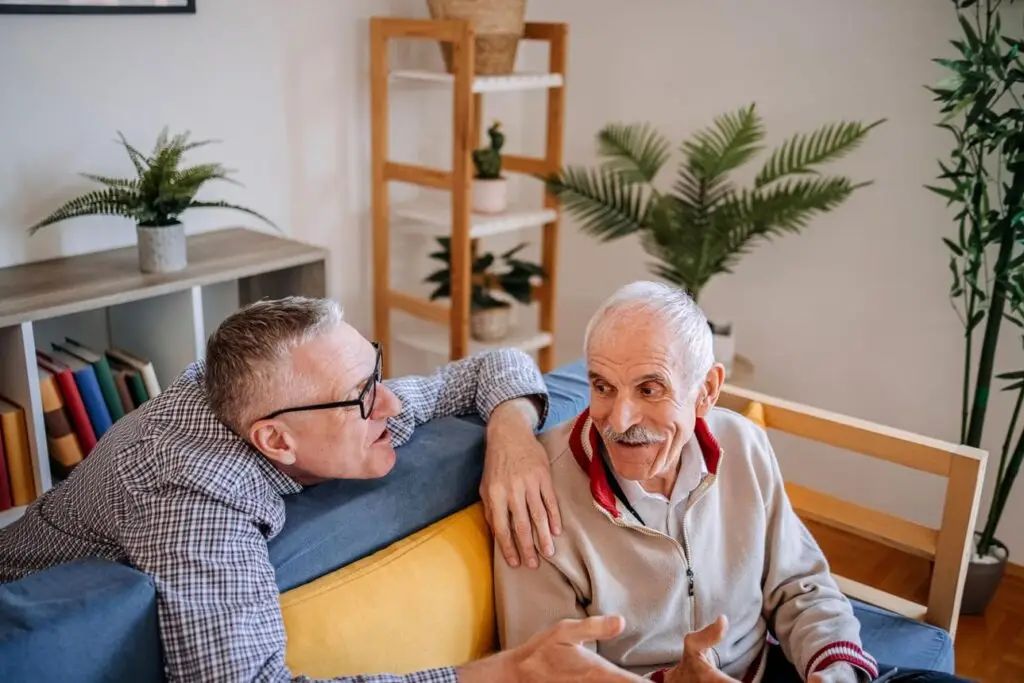

During early-stage dementia, communication changes are often subtle. Many individuals remain independent but begin noticing difficulties themselves.
Common Communication Changes
Word-finding difficulties
Losing train of thought
Repeating stories or questions
Trouble following fast conversations
Mild forgetfulness
At this stage, your loved one is often aware of these changes, which can lead to embarrassment or anxiety.
Helpful Communication Approaches
Speak clearly and at a relaxed pace
Use simple sentences without sounding patronizing
Allow extra time for responses
Maintain eye contact and active listening
Reduce background distractions
Encourage participation in conversations and decisions
Goal: Preserve dignity and independence while offering gentle support.
Mid-Stage Dementia: Prioritizing Reassurance and Simplicity

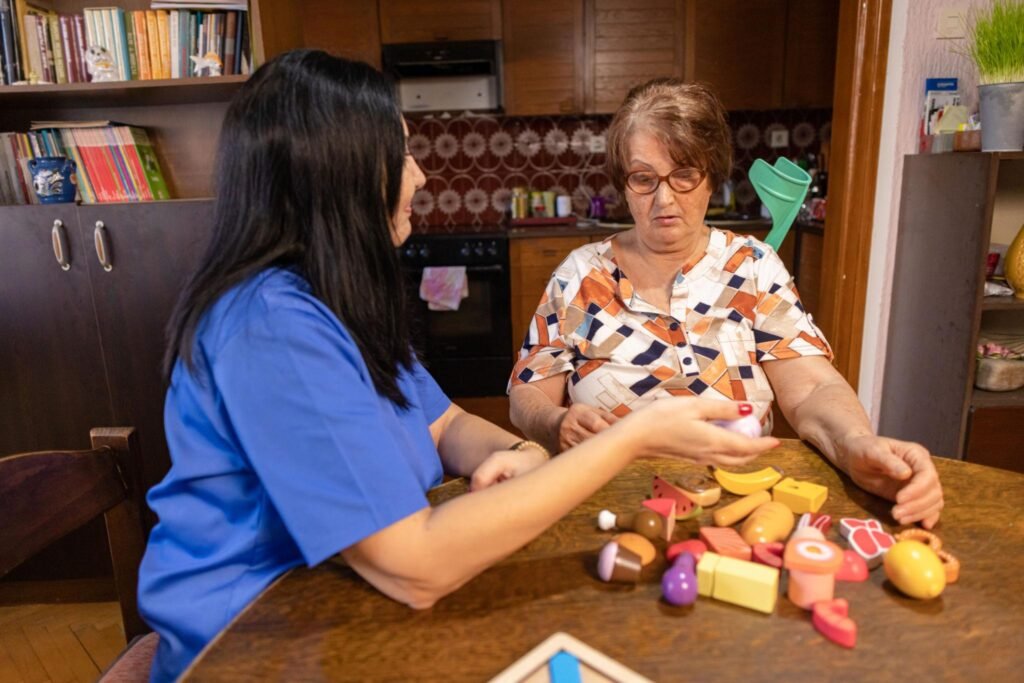

The mid-stage of dementia is often when families notice more significant communication challenges. Language skills decline, memory loss increases, and confusion may become more frequent.
Common Communication Changes
Increased repetition
Difficulty understanding instructions
Trouble expressing needs
Misunderstandings or agitation
Emotional responses replacing logical conversation
Your loved one may communicate more through emotion than words.
Helpful Communication Approaches
Use short, clear phrases
Ask one question at a time
Avoid arguing or correcting
Offer reassurance instead of explanations
Use visual cues, gestures, and demonstrations
Redirect conversations gently when frustration arises
Instead of focusing on accuracy, focus on comfort.
Goal: Reduce anxiety and maintain emotional connection.
Late-Stage Dementia: Communicating Beyond Words



In late-stage dementia, verbal communication may become very limited or disappear altogether. Families sometimes worry that connection is lost — but meaningful communication continues through presence and touch.
Common Communication Changes
Limited speech or nonverbal sounds
Difficulty understanding language
Increased reliance on facial expressions and body language
Sensitivity to tone of voice and environment
Even when words fade, emotional awareness often remains.
Helpful Communication Approaches
Speak softly and calmly
Use gentle touch and eye contact
Smile and maintain a reassuring presence
Play familiar music or sounds
Watch for nonverbal signs of comfort or distress
A squeeze of the hand, a smile, or sitting quietly together can communicate love more powerfully than conversation.
Goal: Provide comfort, safety, and emotional reassurance.
Remember: Connection Matters More Than Conversation
Dementia asks families to adapt how they communicate, but it also invites deeper patience, compassion, and presence.
Across all stages:
Meet your loved one where they are
Focus on feelings rather than facts
Slow down expectations
Celebrate moments of connection
Caregiving is not about perfect communication — it is about maintaining relationship and dignity through every stage of change.
Support for Families Navigating Dementia
At Guiding Hands Care Consulting & Advocacy, we work alongside families to help them understand changing care needs, support caregivers, and create safe, compassionate care plans for loved ones living with dementia.
If you are caring for someone with dementia and feeling unsure about next steps, guidance can make the journey feel more manageable.
Care You Can Feel. Support You Can Trust.
Visit guidinghandsco.com to schedule your complimentary consultation.